WhatsApp and other messaging platforms in India will need to comply with new rules requiring SIM binding and automatic web session logouts. These changes aim to enhance security but could affect multi device use and how users interact with linked devices.
| Key Points | Details |
|---|---|
| Subject: | SIM Binding and Web Session Rules in India |
| Status: | Pending Implementation |
| Scope: | Affects WhatsApp, Telegram, Signal, and other messaging platforms in India using phone numbers for authentication. |
| Effective period: | Companies have a 90-day window to comply with SIM binding requirements; web sessions must auto-logout every six hours. |
| Previous news: | WhatsApp Enhances Reaction Experience with Status Sticker and Celebratory Emojis! |
WhatsApp Multi-Device Feature and the Impact of New Indian Regulations
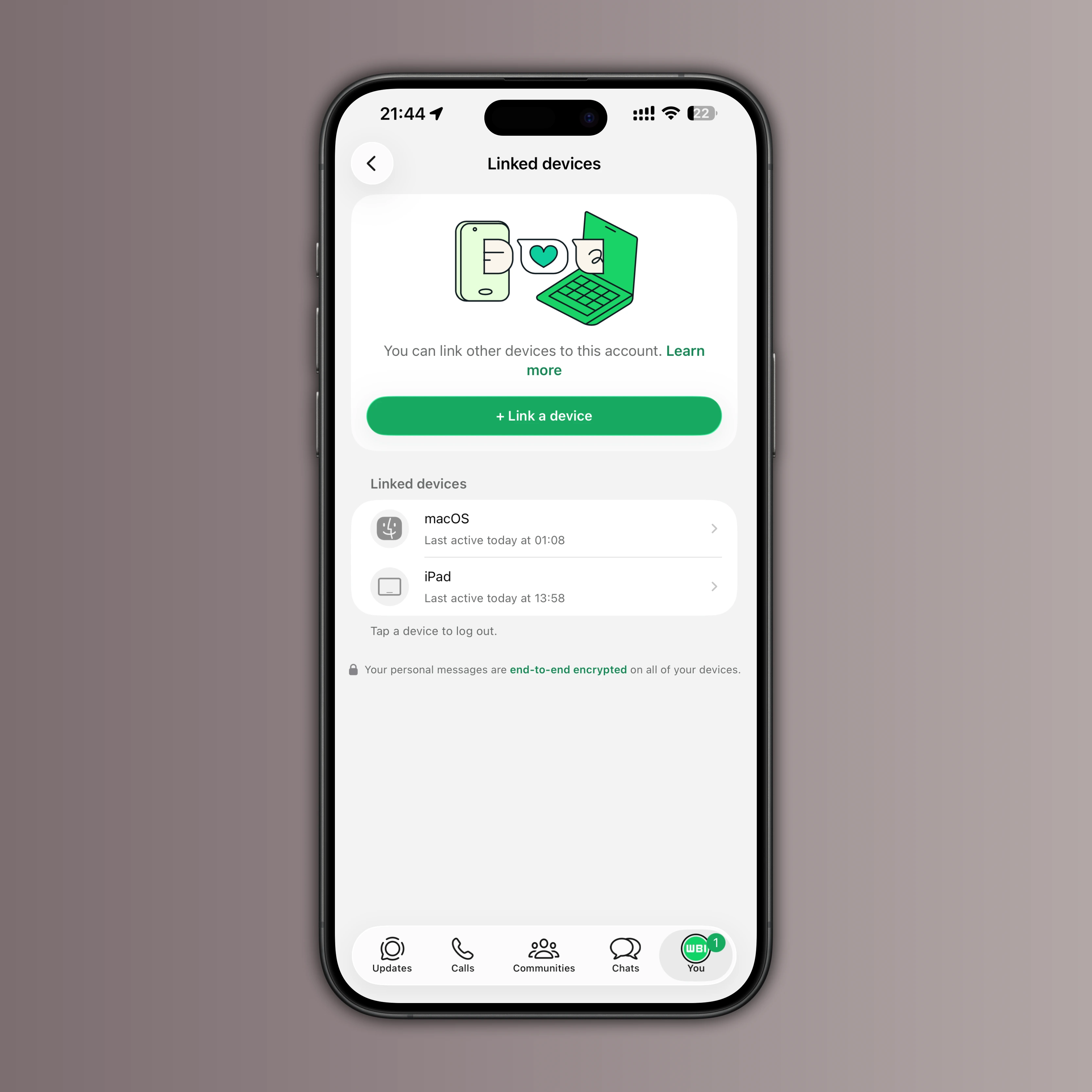
WhatsApp offers a multi-device functionality that enables one account to work on a primary phone together with additional devices, giving users a flexible way to continue conversations wherever they need. This system keeps messages and media synchronized across every linked device, allowing people to move from phone to laptop or tablet without losing continuity. This experience reduces dependence on a single device and helps those who work across platforms throughout the day. Linked devices communicate securely with the account so message history remains consistent and encrypted across sessions.
Many users appreciate this configuration because it does not require the phone to stay connected at all times for the web or desktop version to work. The feature has also become popular among businesses that handle customer communication on several devices. Users benefit from having one number linked across multiple endpoints that behave as a unified account. However, an imminent new legislation in India may have a significant impact on this multi device functionality for WhatsApp and for other platforms such as Signal, Telegram, Snapchat, Arattai, ShareChat and JioChat.
The directive issued by the Department of Telecommunications introduces a requirement for continuous SIM validation within a 90 day implementation period. The regulation defines certain OTT services as Telecommunication Identifier User Entities, which places them under a new security framework. This law primarily focuses on SIM binding, a process that ties an account to an active SIM card to verify the user's identity and prevent misuse. The government states that SIM binding should help reduce certain fraud patterns that rely on number recycling or disconnected registrations. This requirement means that the SIM used during account registration must remain active for the service to continue working, and this affects people who change numbers frequently or depend mainly on Wi Fi. People who use a second phone for travel might also face disruptions if the primary SIM is not present.
The regulation introduces this mechanism to improve traceability, but it may also create edge cases in everyday scenarios that were previously straightforward. Currently, it is unclear how companies will implement and manage compliance with this new legislation. Companies are given a 90‑day period to adjust their systems and processes to comply with the new rules. This transition period is designed to allow them to implement the necessary checks and minimize inconsistencies during the rollout.
The second major requirement concerns session handling for the web and desktop versions of these services. As reported by India Today, the directive states that any web session must be automatically logged out after six hours from activation. The intention is to limit exposure in situations where a browser remains accessible for long periods, especially in shared or office environments. This rule will require users to rescan a QR code regularly, which may interrupt workflows for people who keep WhatsApp Web open throughout the day. Offices that rely on long running sessions for support desks will have to adjust their routines to accommodate periodic reauthentication.
The impact becomes clearer when looking at businesses that use WhatsApp through Meta Verified, which already supports linking more than four devices. Meta Verified also offers different tiers that allow businesses to connect even more devices. Multiple agents working across several computers will now be forced to reestablish their sessions every six hours, which introduces new time based management issues. This shift could influence how business teams schedule their operational tasks since disconnected sessions may delay message handling. The rule also affects small teams that rely heavily on desktop access because they may not always have immediate access to the primary phone.
At this stage, it has not been determined whether the changes will affect only web sessions or extend to linked mobile devices as well. Over the coming weeks, the full scope of how the rules will apply across different device types should become much clearer for both companies and users. People who frequently move between devices may find the new rhythm disruptive, especially during periods of active communication. Frequent reauthentication might also increase data usage for users across all linked devices. It's important to note that users in other countries will continue using WhatsApp without being affected by India's new rules.
These new rules are intended to improve digital safety, but they could create noticeable changes for daily usage, especially regarding web session renewals. To comply with the new law, WhatsApp will need to update parts of the authentication flow and refine how linked devices are managed. WhatsApp will also have to provide clear guidance for users who rely on multi device functionality. At the moment, WhatsApp has not released any official statements regarding how these changes will be implemented or what users in India should expect.
Stay Connected with WABetaInfo
Following WABetaInfo on X is the best way to stay informed about new features under development and those released to WhatsApp beta for Android, iOS, Web, and Desktop. We love hearing your feedback, so let us know what you think! You can also explore our dedicated page to discover all our services, or join our Discord Server to chat with others, get help and advice, and stay up to date with the latest WABetaInfo announcements.